
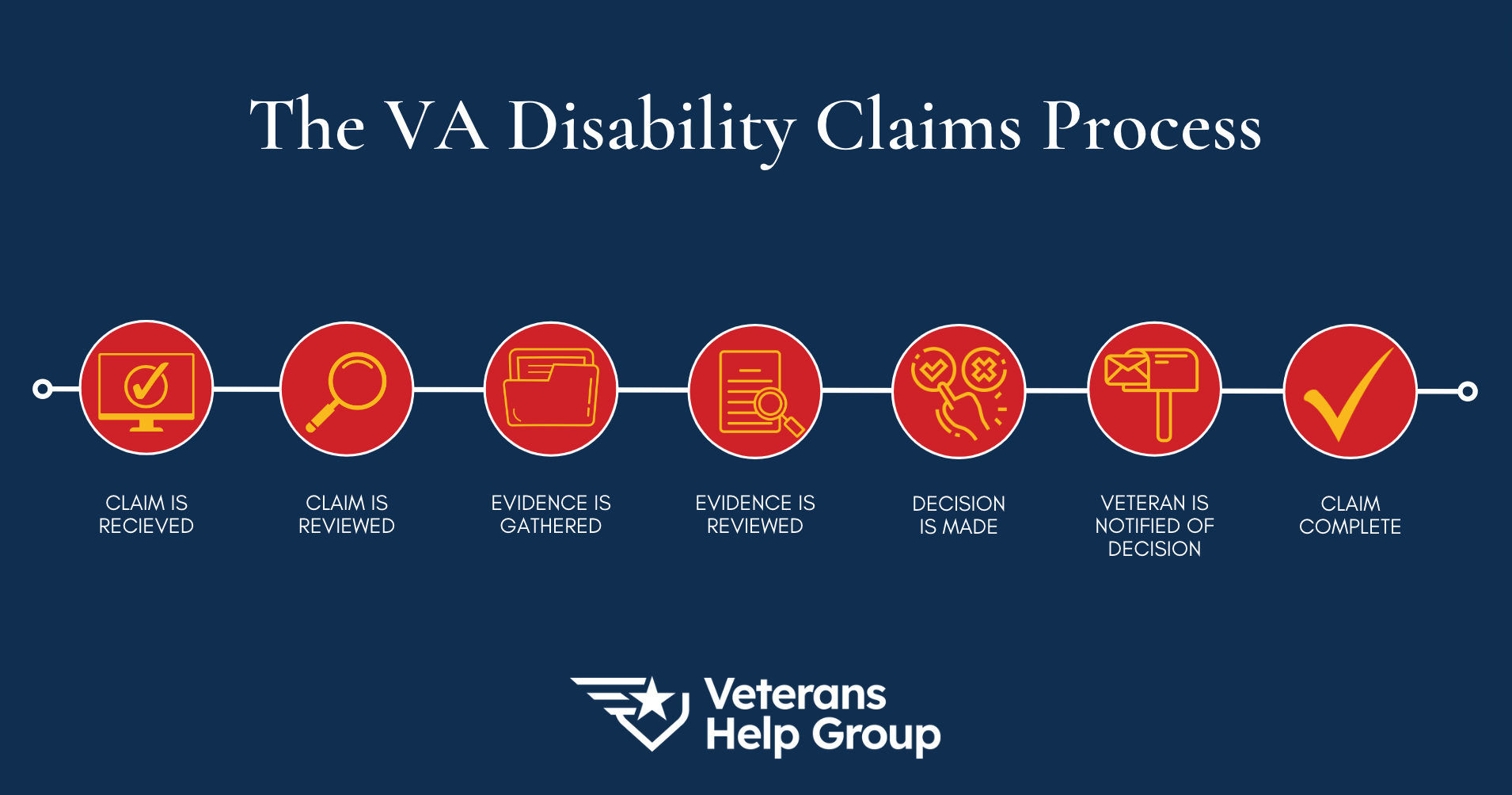
The Complete Roadmap To Filing And Winning VA Disability Claims
It is much more than filing paperwork for a VA disability claim. It is a complex process that must be prepared for, carried out properly and with an understanding of how the system works. Many veterans have issues, not because they aren’t entitled to but because their claims are incomplete or poorly presented. An experienced VA Disability attorney can help them find gaps in their claim and fill them before they become a hindrance to the final decision. From experience, a well-structured roadmap helps improve things drastically.
Understanding Eligibility Beyond The Basics
Before starting a claim, it is important to go deeper than simply identifying a medical condition. Factors that impact eligibility include type of service, status of discharge and how exacerbated the situation became over time.
Some conditions don’t appear until years after service, but they could still be related to military duty. These options present themselves early on and can help you assert your case better. In order to build a solid foundation, you must be aware of everything that could qualify, not just the obvious ones.
Creating A Detailed Personal Timeline
A big step that often is skipped is making a clean summary of events. This includes when they began, how bad they got, and their relation to time in service.
A researched timeline provides context which backs up the main argument. Medical data are connected in such a way to real-life experience that people can make help the larger picture. This story-oriented technique adds dimension to mere forms that they can’t offer themselves.
Securing Consistent Medical Documentation
You need to have lots of medical papers for any VA disability claim, however so it is also important that those papers are consistent. Failure to care or inconsistent reports can weaken a case.
An accurate record will be made by receiving regular medical examinations and recording the symptoms clearly. Veterans need to ensure that their medical records demonstrate that their condition is ongoing. Providing consistent proof establishes trust and supports the claim’s validity.
Using Supporting Statements Effectively
Supporting remarks can be extremely helpful along with medical proof. Some of these can come from family members, colleagues or other service members who know how the situation impacts people.
Alongside clinical records, these comments provide a personal perspective. They illustrate how the inability impacts daily life and provide information medical records may not. Used properly, they strengthen the case overall.
Choosing The Right Filing Approach
There are several different ways to make a VA disability claim. The way you decide affects the process and outcome. In some instances, a fully developed claim can be beneficial from the outset and in others it may take more evidence over time.
When veterans are aware of what options are available, they can select a method that works for them. Picking the right method can reduce delays and make the process more efficient.
Preparing For Evaluations With Clarity
It is extremely common for medical tests to be requested at the time of filing claims. These tests are designed to determine how severe the illness is and what effects it has.
Preparation is paramount to ensure that these assessments accurately match reality. Veterans should be clear about their symptoms and what they can’t do, as well as how that affects their daily lives. So being careful and honest in these tests allows for clarity.
Reviewing Outcomes With A Critical Eye
Once you make a decision, it needs to be reviewed again meticulously. Approval doesn’t always mean the ranking is right, and denials don’t necessarily reflect how strong the claim might be.
By decoding the decision-making process, the veterans can discover what all went wrong. Your next steps are largely a function of this critical step. A careful review ensures that the verdict truly reflects the evidence that was presented.
Leveraging Appeals As A Strategic Opportunity
If the initial selection doesn’t work out, the appeals process allows you a second opportunity to prove your case. Instead of being a setback it can be viewed as an opportunity to make the argument even more forceful and clear.
At this point, you can perhaps present more evidence, more easily understood documentation and better arguments. Carefully written appeals can often perform better than the initial entry.
Maintaining Persistence Throughout The Process
The VA disability claims process is lengthy and you will have to be patient. Things go wrong. There are delays. All sorts of things happen, but staying engaged and involved is what counts.
Staying engaged, meeting deadlines for requests and being detail-oriented are also key to keeping a claim moving forward. Persistence is what prevents you from quitting when things go sideways.
Conclusion
You have to do more than simply be eligible to win a VA injury claim. And to do that, you need clarity of plan — campaigning, compelling evidence and strategic thinking. While the odds of success are greatly in a veteran’s favor if they fully appreciate their credentials, document their experiences carefully and take each progressive step with diligence. It is one easy process if it is done with determination and the right method and the results will speak how their service has helped.
