
How Compact Excavators Improve Safety In Confined Work Environments
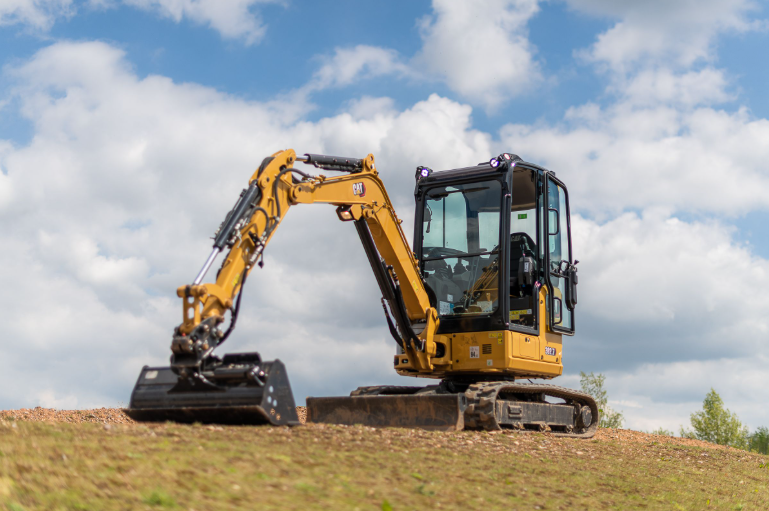
Excavation and construction operations often occur in locations with limited space, making it difficult to move big machinery. Machines that can function well without sacrificing safety are often needed for landscaping, utility installations, urban development, and residential projects. Because they are designed to do difficult jobs while keeping control in confined places, compact excavators have proven indispensable in these settings. Machines such as the Volvo compact excavator illustrate how contemporary engineering may increase both safety and productivity on constrained worksites.
The Difficulty Of Operating In Tight Construction Spaces
Numerous safety hazards exist in confined construction situations. Operators may find it challenging to operate typical heavy equipment on small job sites with adjacent buildings, subterranean utilities, and restricted moving space. Wider operation areas and greater swing room may be necessary for large excavators, which raises the possibility of unintentional collision with buildings or other machinery.
Contractors are forced to depend on devices that provide more control and accuracy in these circumstances. Compact excavators are made especially for confined spaces where precision and security are essential. Because of its reduced size, operators can operate more effectively without sacrificing the performance and stability needed for excavation activities.
Enhanced Maneuverability In Confined Areas
Compact excavators’ exceptional agility is one of their most significant safety benefits. Because of their small size, these machines can function easily in places that would be difficult for bigger machinery.
A Volvo compact excavator’s design enables operators to position and spin the machine without needing a lot of room. When working close to walls, buildings, fences, or other impediments, this function is really helpful. While keeping a safe distance from other buildings, operators may carry out duties including excavating, trenching, and lifting.
Better mobility also eliminates the need for regular repositioning of equipment, which lessens the danger of accidents on busy work sites.
Decreased Structural Damage Risk
Existing infrastructure, including buildings, walkways, and subterranean utility lines, is often present on confined project sites. Oversized equipment might cause unintentional harm in certain regions, which could result in expensive repairs or safety risks.
By enabling operators to carry out precise motions and controlled digging operations, compact excavators assist in reducing this danger. The equipment can work near buildings without creating needless disruptions because of its tiny design.
Operators gain from sophisticated control systems that enable precise hydraulic movements with equipment like the Volvo compact excavator. This degree of accuracy enables contractors to do jobs like foundation construction and utility line trenching without running the risk of damaging nearby properties.
Increased Visibility For Operators
Operator visibility is another important feature that enhances safety in tight work situations. Operator cabins on compact excavators provide unobstructed views of the operating area. Operators can more efficiently keep an eye on surrounding personnel, equipment, and obstructions when there is good sight.
A Volvo compact excavator’s design prioritizes offering a cozy and strategically placed cabin that enables operators to keep complete awareness of their surroundings. This lessens the possibility of blind areas, which may cause mishaps on crowded building sites.
When working near the excavation zone or in areas with pedestrian activity, improved visibility is especially crucial.
Increased Stability While Operating
Machine stability is still necessary while working in confined spaces. Digging deep ditches, moving large objects, and working on uneven terrain are all common tasks in excavation. Even in confined spaces, compact excavators are designed to remain stable and balanced.
Machines like the Volvo compact excavator’s structural layout and weight distribution enable operators to carry out difficult jobs without losing control. Equipment that is stable is less likely to tip over or move suddenly, endangering workers or causing damage to adjacent property.
These machines are very useful for constrained building projects because of their small size and dependability.
Enhanced Workplace Safety For Employees
Safeguarding the machine operator is just one aspect of construction safety. When machinery is working closely together, workers on the ground must also be safe. Workers traveling around the site may be in danger from large machinery with large swing regions.
Because they have a smaller working footprint, compact excavators lower these hazards. Workers can keep safer distances from moving machinery thanks to the restricted swing radius and regulated motions.
Construction teams may more effectively coordinate operations by using a Volvo compact excavator, which guarantees that operators and ground personnel can carry out their duties without needless risks.
Encouraging Safe Infrastructure And Utility Work
Installing utilities like water pipes, electricity lines, or communication cables is a common part of limited excavation operations. To prevent harming already-existing infrastructure, these operations need precision equipment management and cautious excavation.
Because they enable precise excavation without interfering with adjacent systems, compact excavators are perfect for this kind of job. Complex utility installations may be completed more easily while adhering to safety regulations because of their flexible attachments and regulated hydraulic systems.
Contractors may finish delicate infrastructure projects with more assurance and lower risk thanks to the accuracy provided by devices like the Volvo compact excavator.
In Conclusion
One of the most crucial factors in any construction or excavation job is safety, particularly when work is done in small spaces. Crowded workplaces, close-by buildings, and limited space all require equipment that can function well without posing new risks.
With its enhanced agility, greater visibility, steady operation, and precise control, compact excavators provide a workable answer to these problems. These characteristics enable the efficient completion of construction jobs while protecting both operators and laborers.
Compact equipment may significantly improve safety in a variety of construction tasks, as shown by devices like the Volvo compact excavator. Compact excavators will become even more crucial to sustaining safe and effective workplaces as infrastructure projects and urban growth continue to rise.
